Context
The Partner Platform is the backbone of PlayStation's global storefronts, a suite of 20+ enterprise applications that every game publisher and developer depends on to bring content to players. Pricing, promotions, age ratings, voucher systems, content management, storefront operations, and game features across dozens of countries all run through these tools. Every game a player sees on PS4 or PS5 passed through this platform.
The team behind it was talented and capable, but stretched thin: five designers across 20+ applications. They were disconnected from product and engineering decision-making, undervalued organizationally, and carrying a workload that had left them burned out.
Challenge & Opportunity
Expanding for PS5 on a rapid timeline
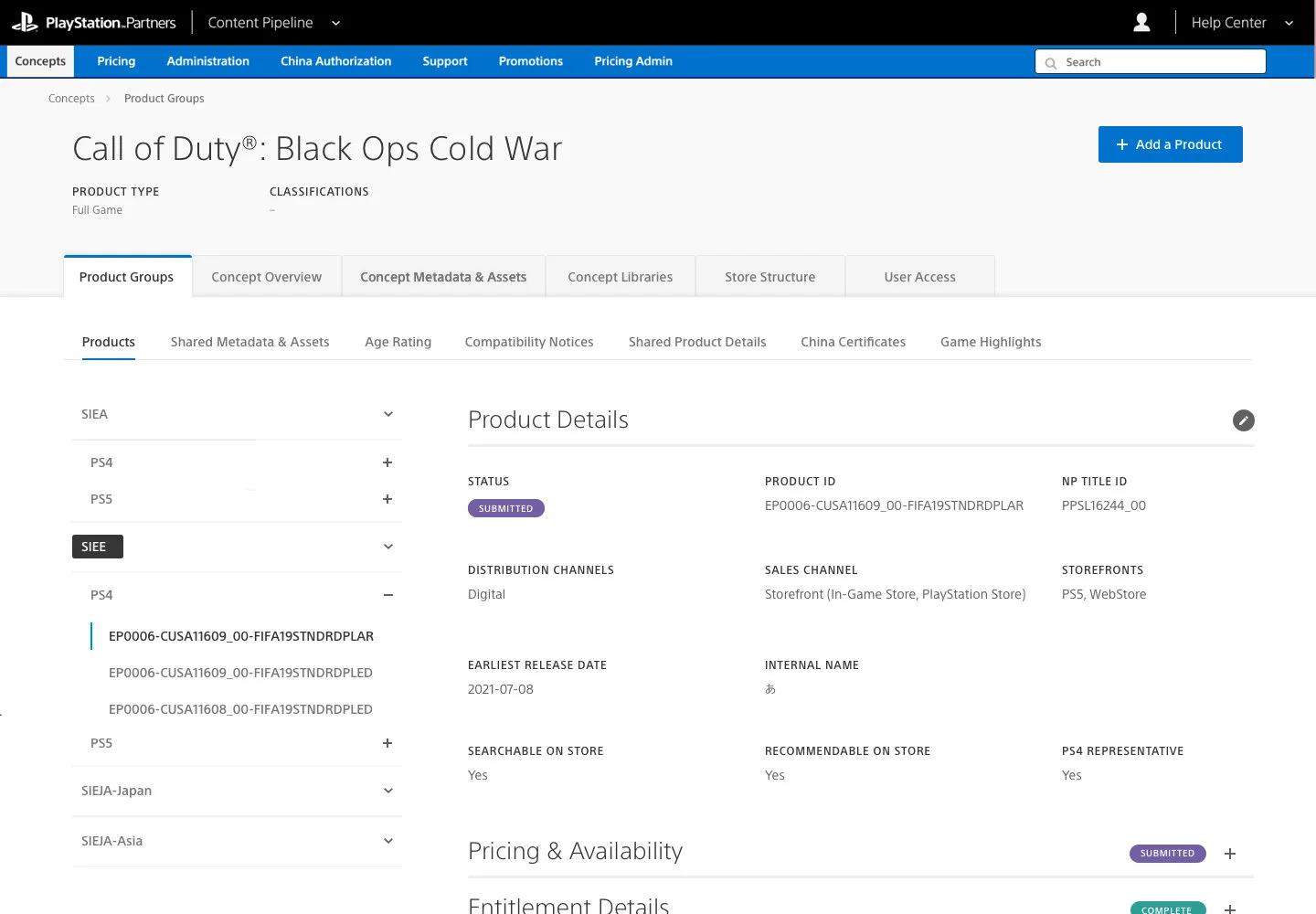
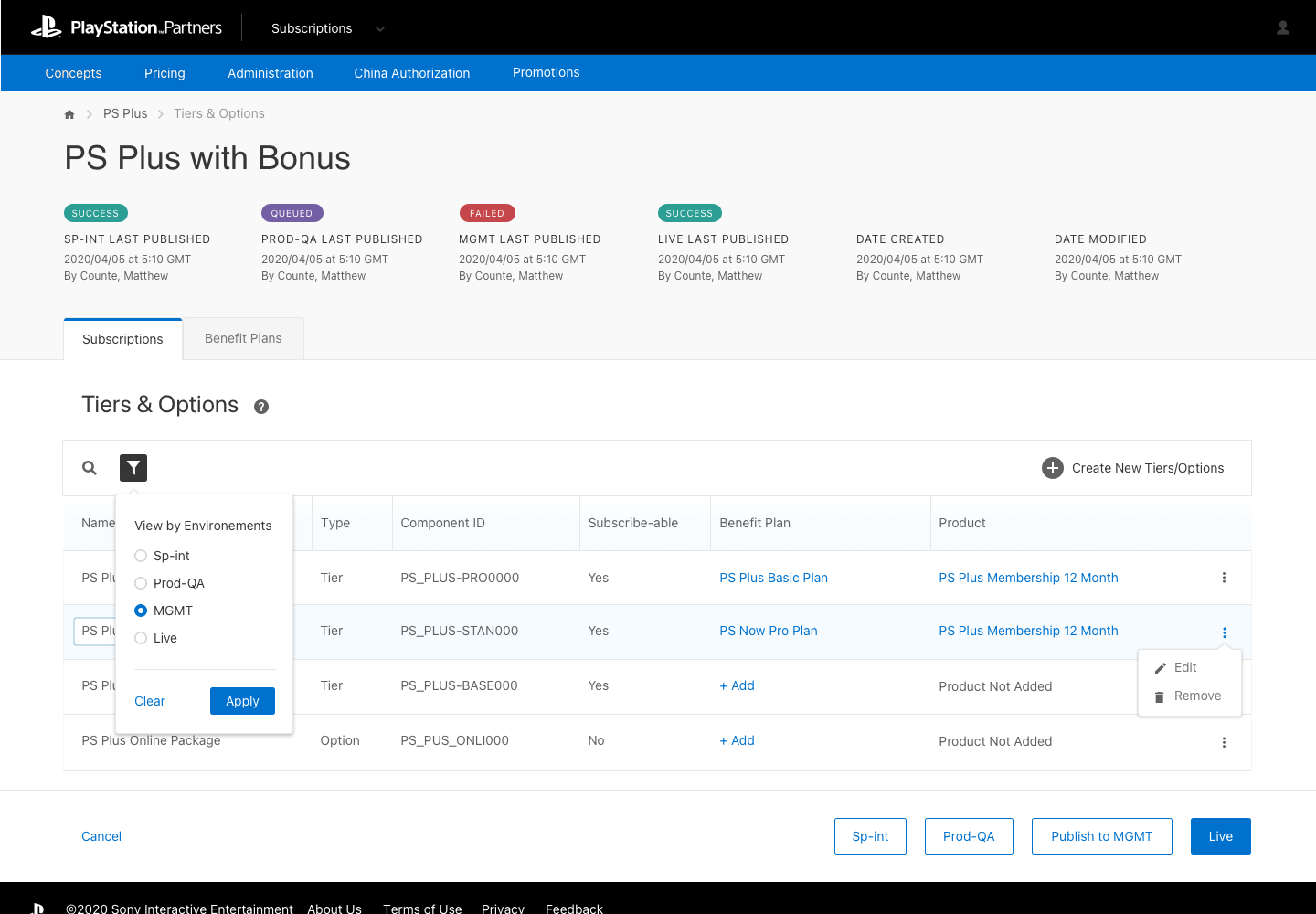
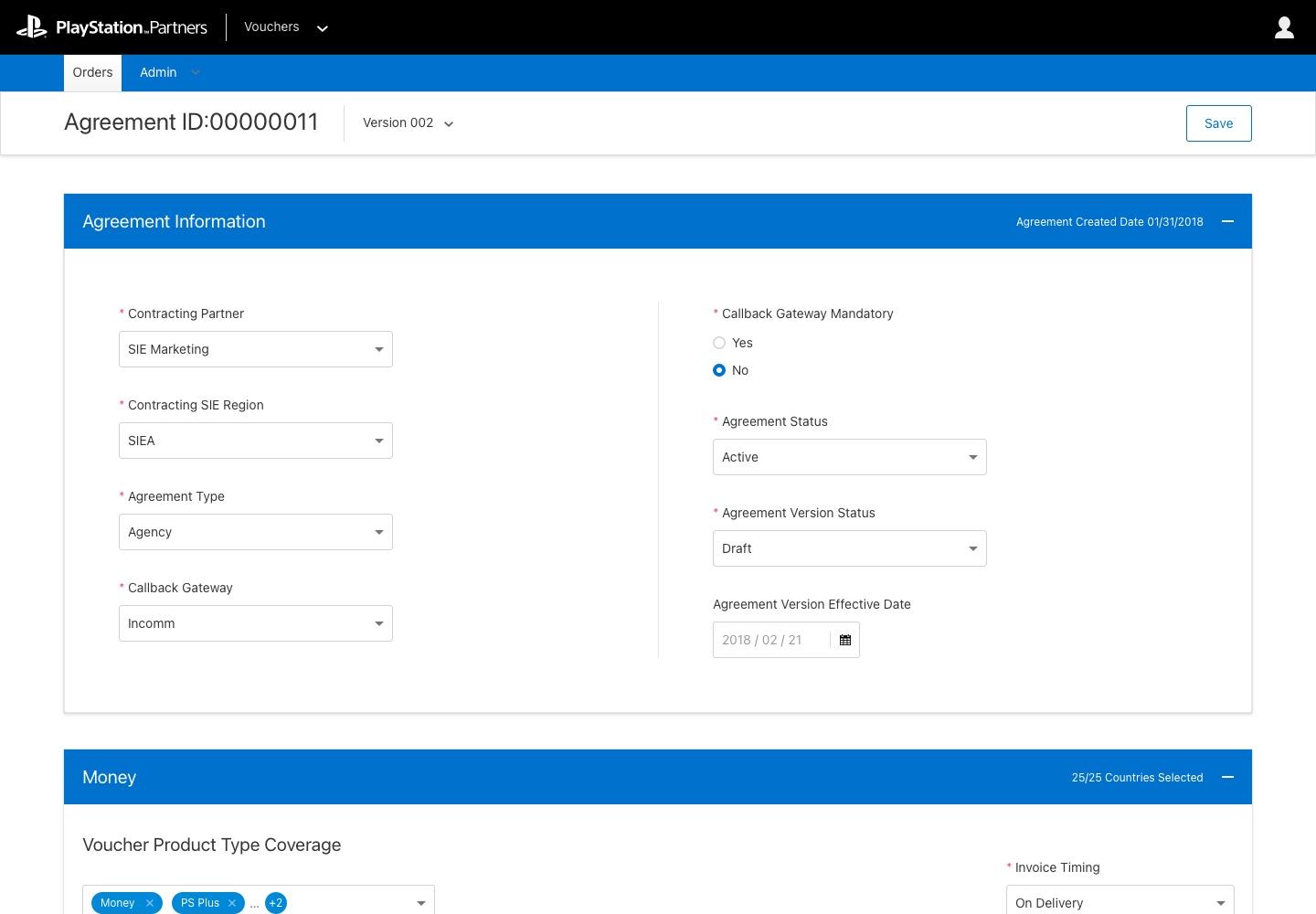
The platform was extending to support PS5, which meant more than just new features: we also needed the right controls in place for cross console support, all under a rapid timeline to meet the console's launch window. That raised the bar for what the platform could enable for PlayStation Partners and internal teams, alongside stronger support for content publishing and management across PS4 and PS5, streamlined content management across devices, and expanded regional capabilities across pricing, tax, and promotions in every country market.
A design team disconnected from the decisions shaping their work
The design team had limited visibility into product and engineering decisions, leaving them reacting to plans instead of helping shape them. Each designer was also embedded with a particular product team and took direction from that team on what to work on, which wasn't always conducive to the platform's overall priorities or where design could add the most value. On top of that, designers were disconnected from each other and overloaded with work. The opportunity was to bring the team closer together, align them to higher value projects that cut across the platform rather than staying tied to a single domain, and get their work life balance in order so there was room for growth and innovation.
Three design systems, one fragmented platform
Engineering teams across the platform were working across three design systems on different versions. With 20+ interconnected applications, the inconsistency was significant. The opportunity: establish design as a credible organizational function, build the structures that would let the team do their best work, and unify the design language across the full platform.
Action
Reorganizing around domain leads
That timeline pressure meant we needed to respond quickly. Our first move was shifting team members around to cover the most urgent gaps. From there, I assigned design leads to each domain, moving away from having designers dedicated to a single app or group of apps, so every domain had someone helping shape roadmap discussions.
The domains broke down into key groups:
- Game SDK and Testing
- Publishing
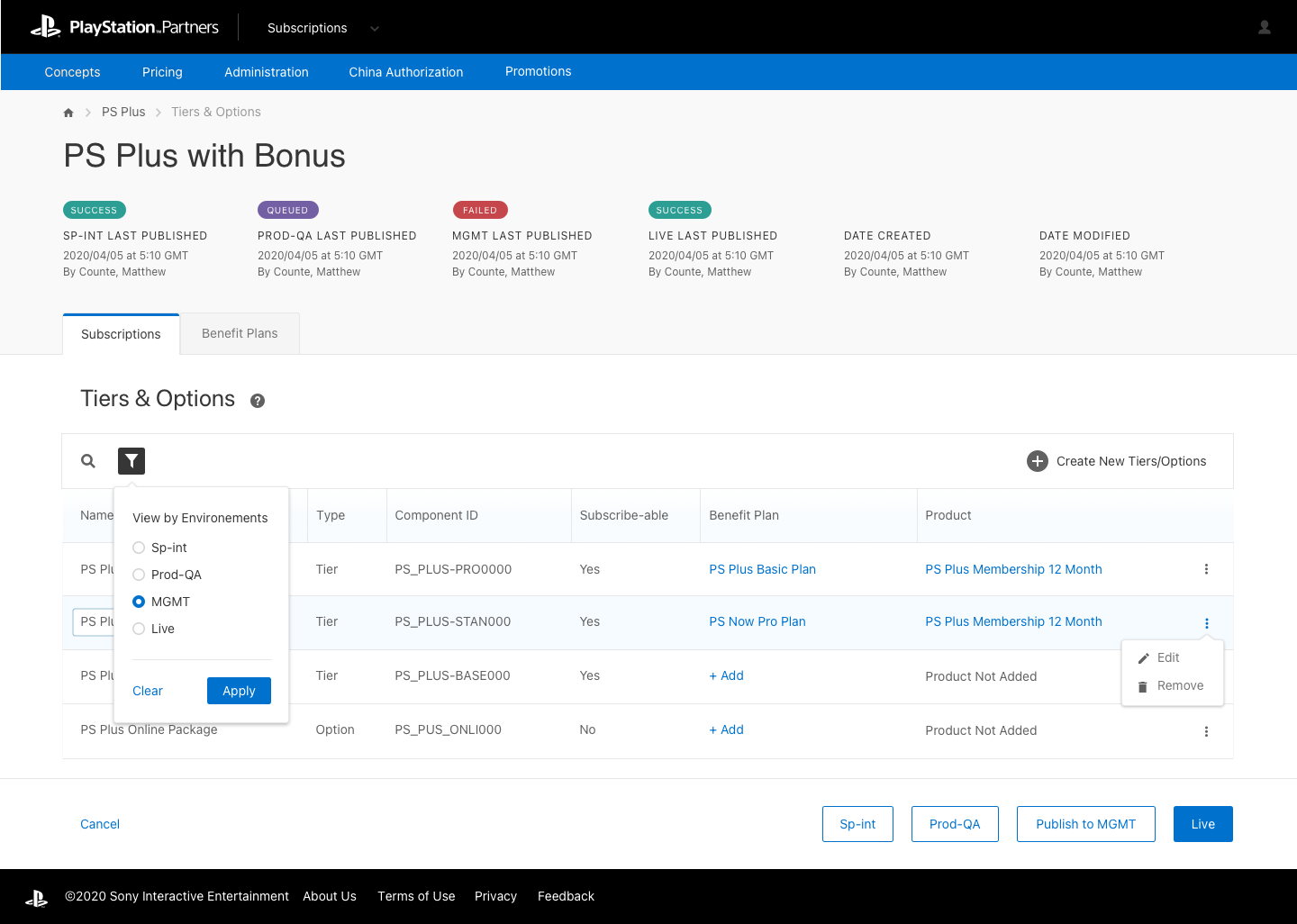
- Subscription and Vouchers
- Core Platform
- Analytics
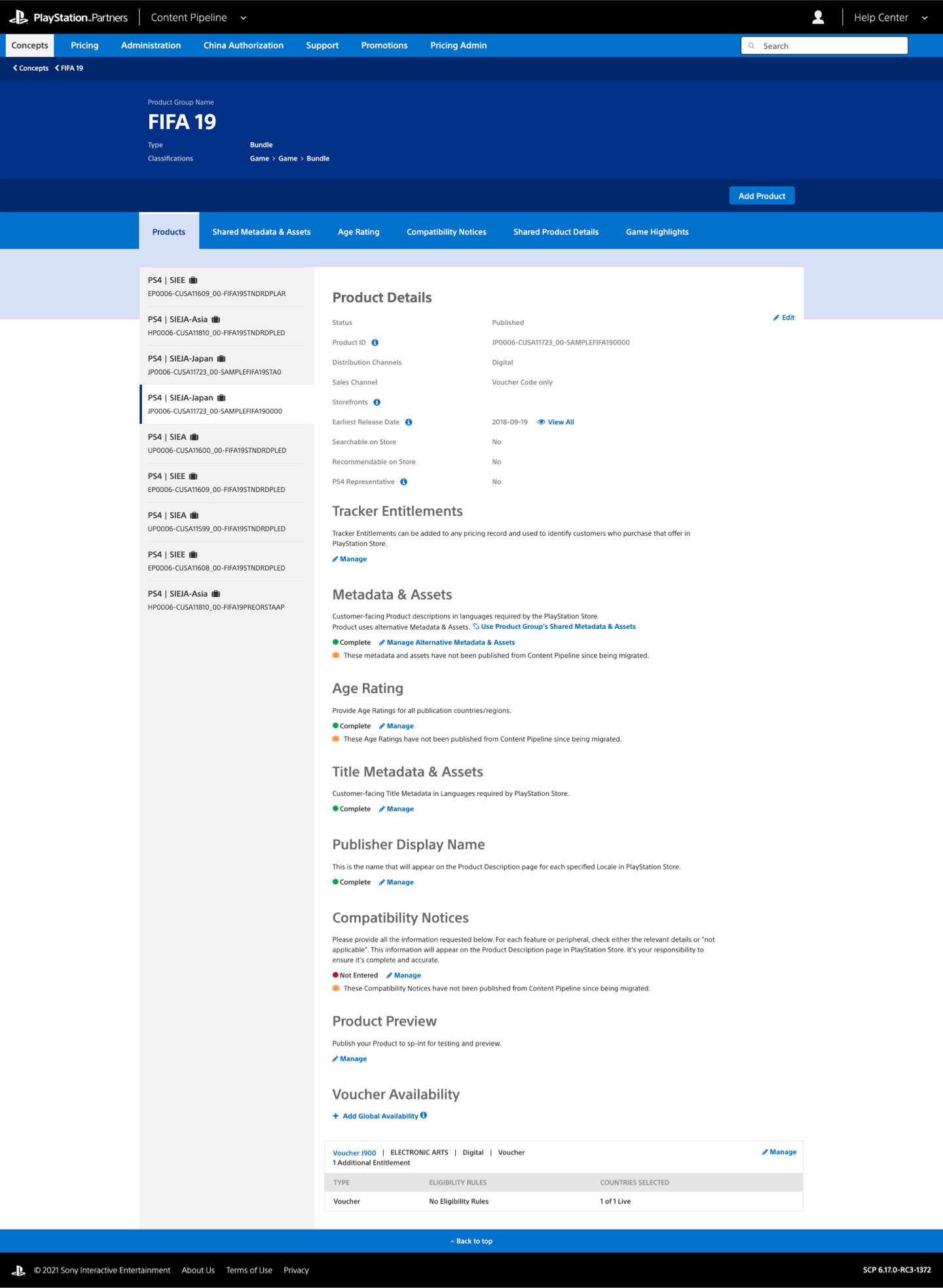
Core Platform expanded to cover the design system, a new information architecture function, and reusable experiences across applications, capabilities that didn't exist on the platform. I convinced a PM and engineering leads to form a cross functional team around Core Platform. We started with a key customer problem: publishers losing track of the game or media they were working on when navigating from app to app. I assigned the lead designer to the project, and to get it kicked off and up to speed, created an initial direction with early designs on the problem and solution. From there, I encouraged the designer to discover and iterate autonomously, stepping back to guide as needed. Product leaders responded well to the direction, and we audited the platform's existing IA together to find where we could consolidate and streamline.
Giving each domain lead autonomy over scoping and prioritization built their confidence and repositioned them as equal partners across the org.
Prioritizing PS5's highest-impact features
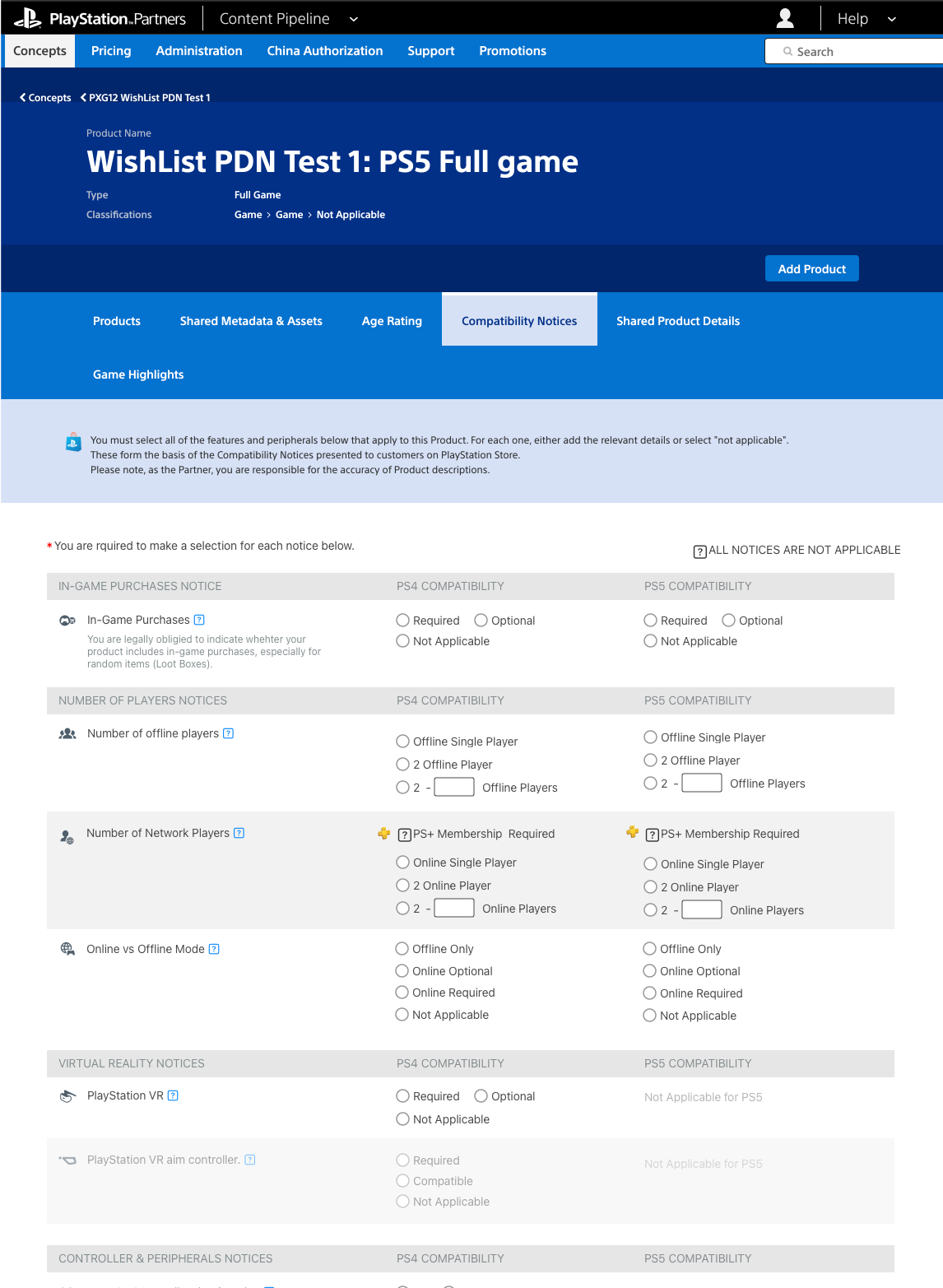
I reviewed the top PS5 support needs and weighed them with senior leadership to find where to double down. We increased support on Content Pipeline, a massive series of apps, to make sure games were set up for PS5. We deferred support on other apps, including analytics, which were less critical for launch and an area design could not influence as much due to reliance on a third party platform. For subscriptions, I assigned a designer full time, up from part time, since we were changing the subscription model at the time.
Giving design a seat at the table
I restructured how design operated, establishing clearer ownership, tighter collaboration with product and engineering, and a stronger design voice in roadmap decisions. For the first time, designers had a seat at the table in roadmap discussions, contributing to input, sizing, and scoping alongside product and engineering.
Bringing writing and research into the design org
Writing and research had been reporting to individual managers outside of design. I worked with those managers to fold them into the design org. To get them engaged early, I included them in the initial roadmap planning, working directly alongside design and product from the start. To situate where research would focus, I worked with the research manager to create a research lead role within the group to help build up the team. That gave writing and research direct ownership: working with product to identify formative and generative research, and with design to include usability studies.
Repointing the team toward higher value, cross platform work
We repointed the team away from projects tied to a single product team's priorities, focusing effort on higher value work spanning multiple domains, where UX contribution would clearly succeed. That shift also gave the team room to address workload and burnout, creating space for growth and innovation instead of being stretched across disconnected priorities.
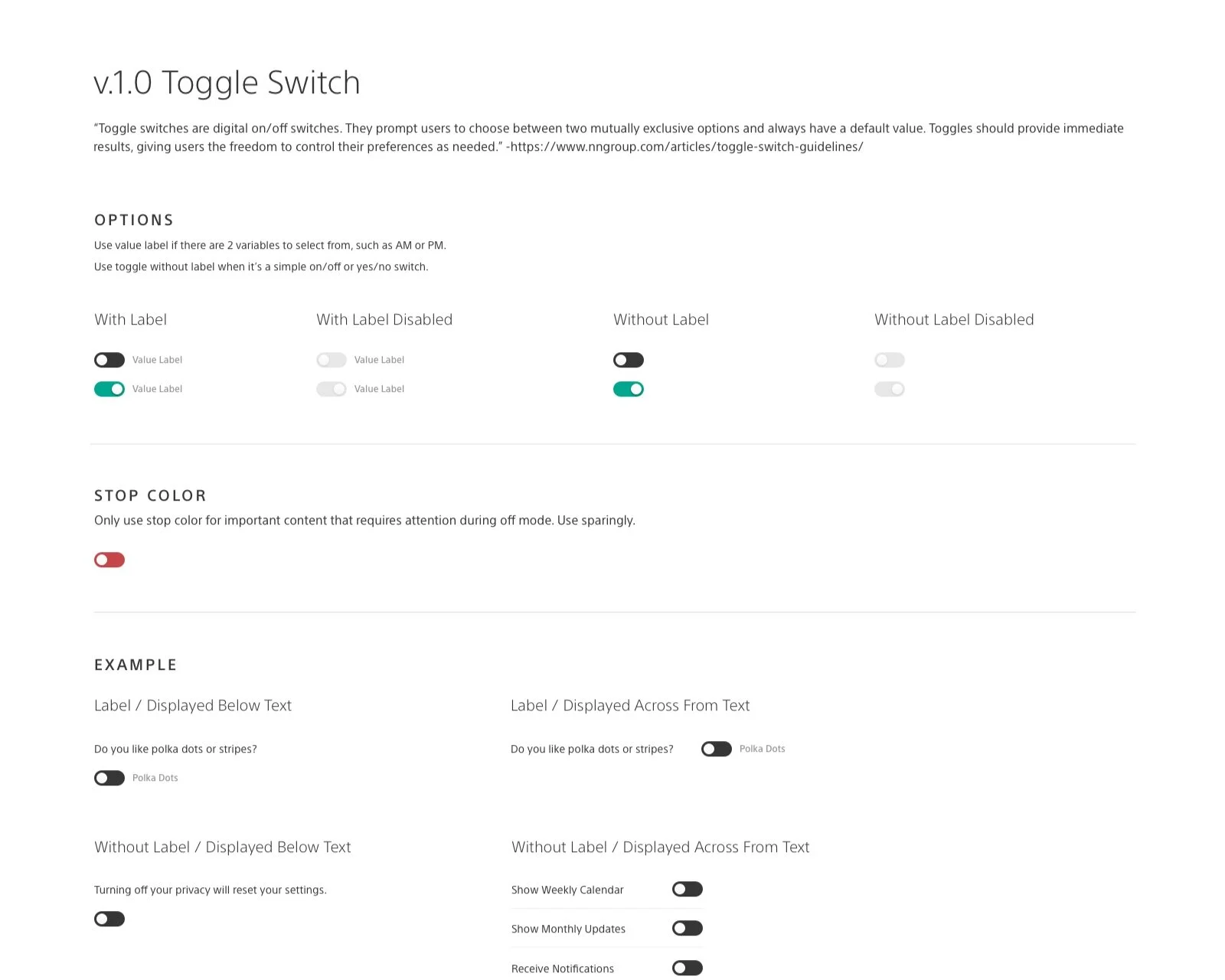
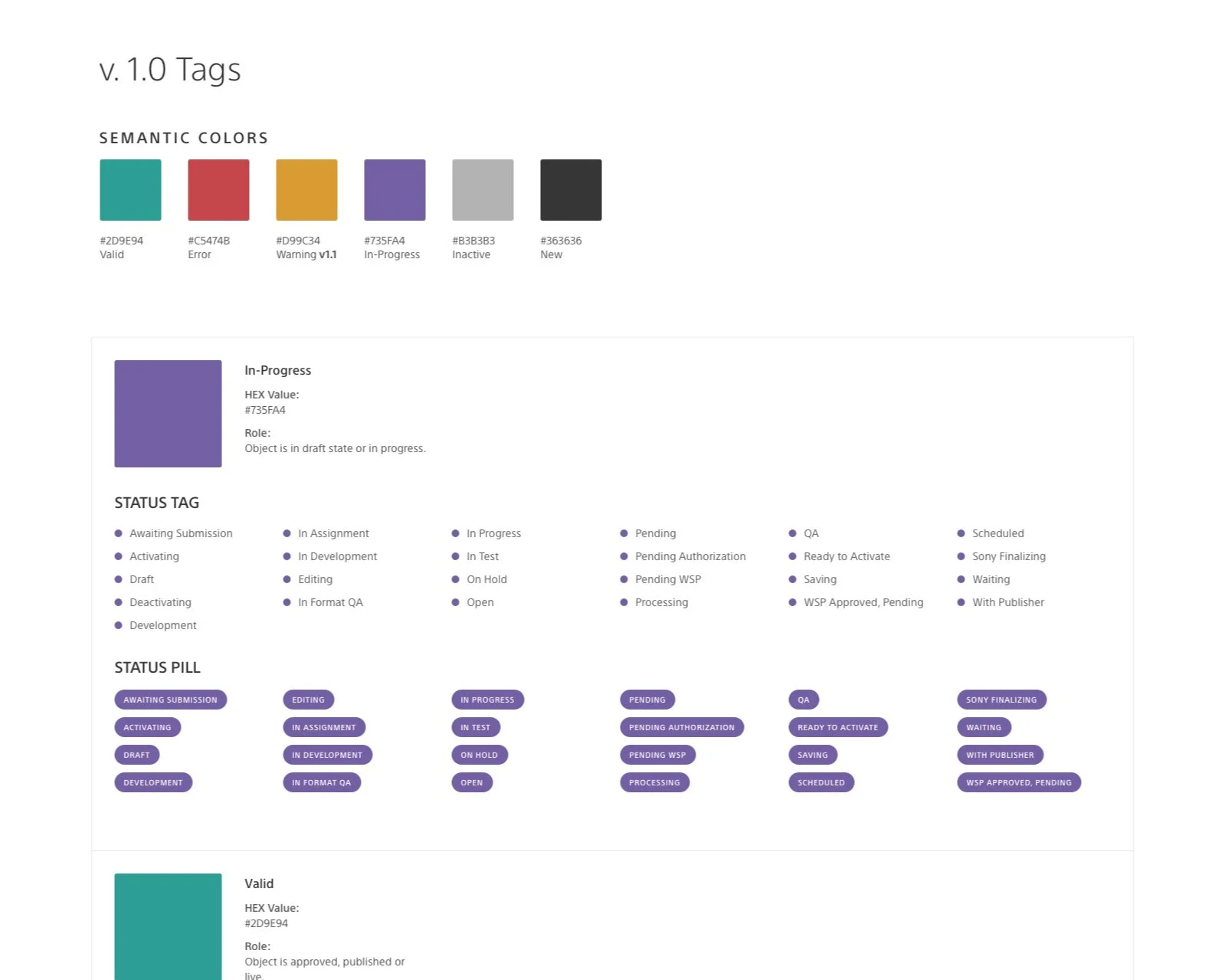
Building one design language across the platform
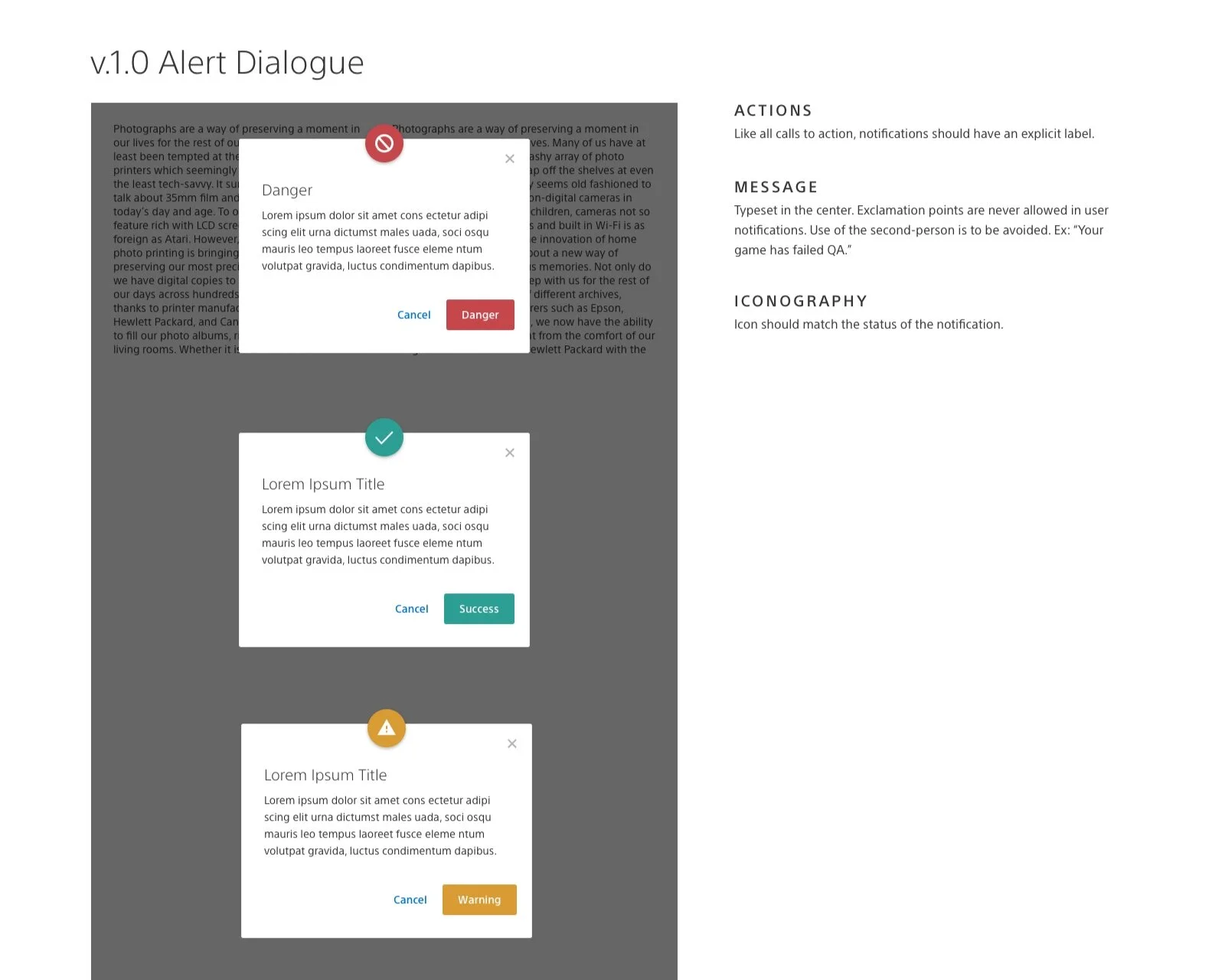
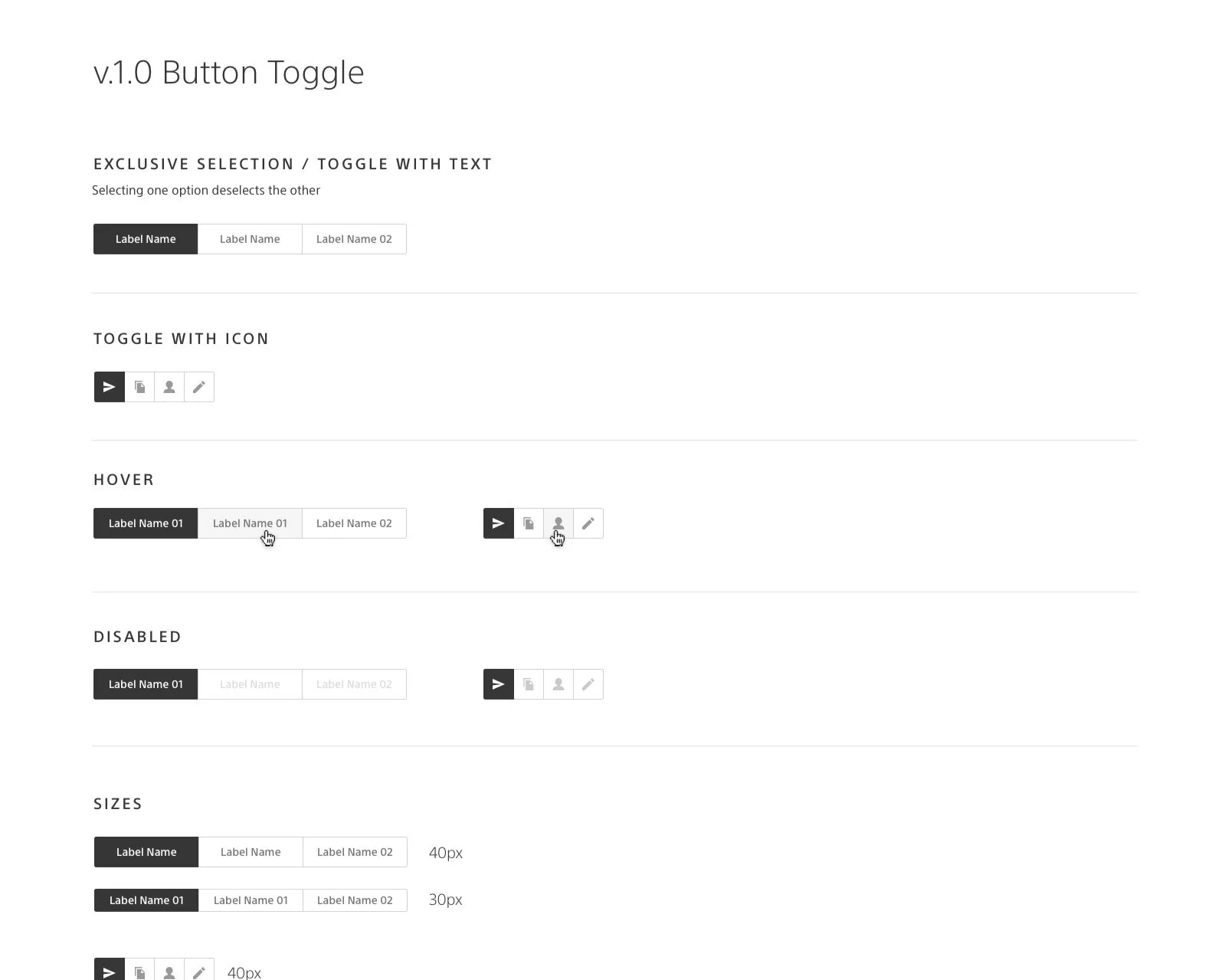
To address the design system fragmentation, I built and presented the case to engineering and product leadership, breaking adoption down into clear, actionable phases rather than asking for a wholesale change. Getting buy-in required meeting engineering leaders where they were and making the path forward feel achievable. I worked with the design system lead on establishing a contribution and governance process, as well as adoption tracking and reporting for leadership visibility across the full platform.
Winning trust through a high-impact bet
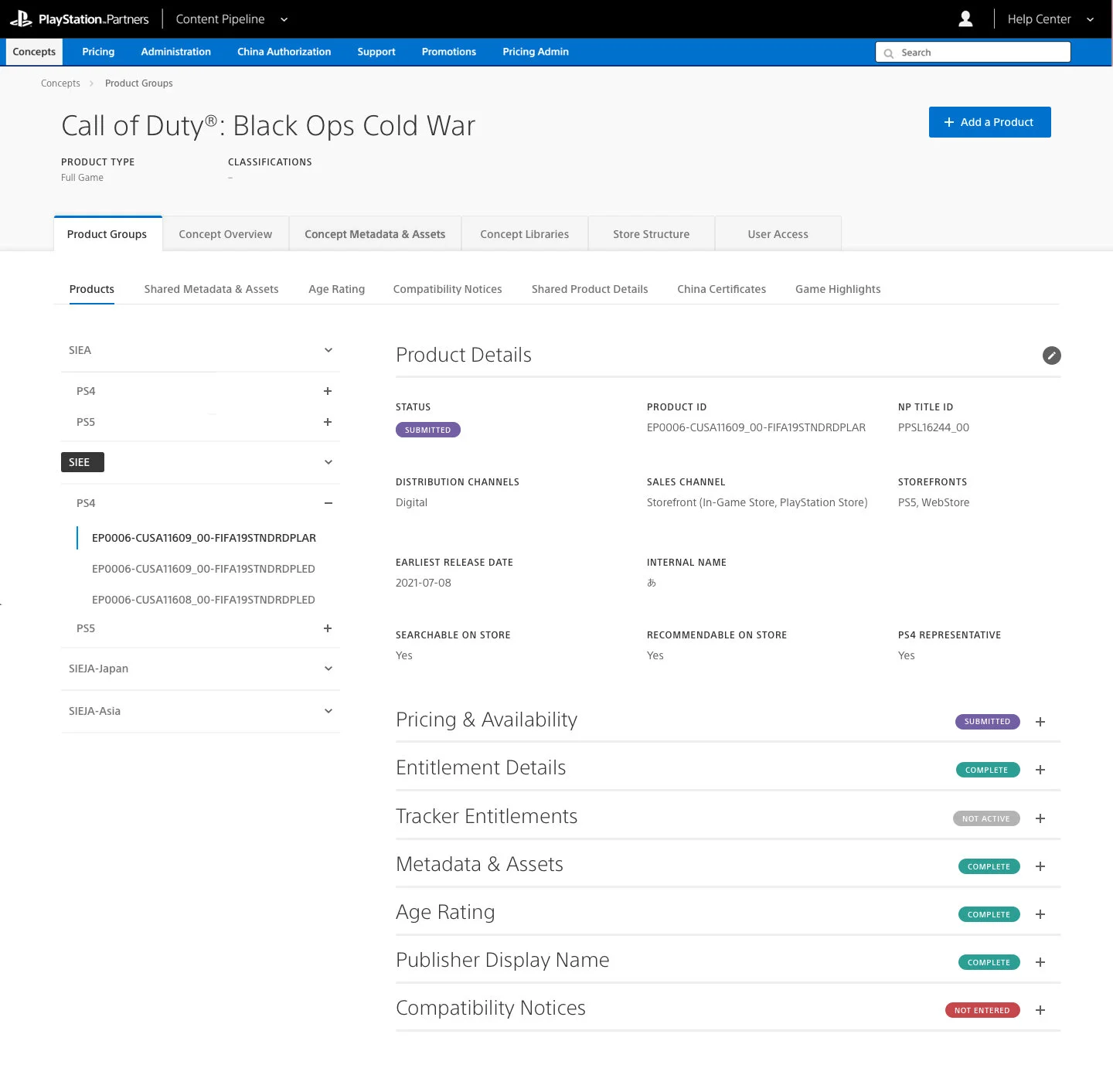
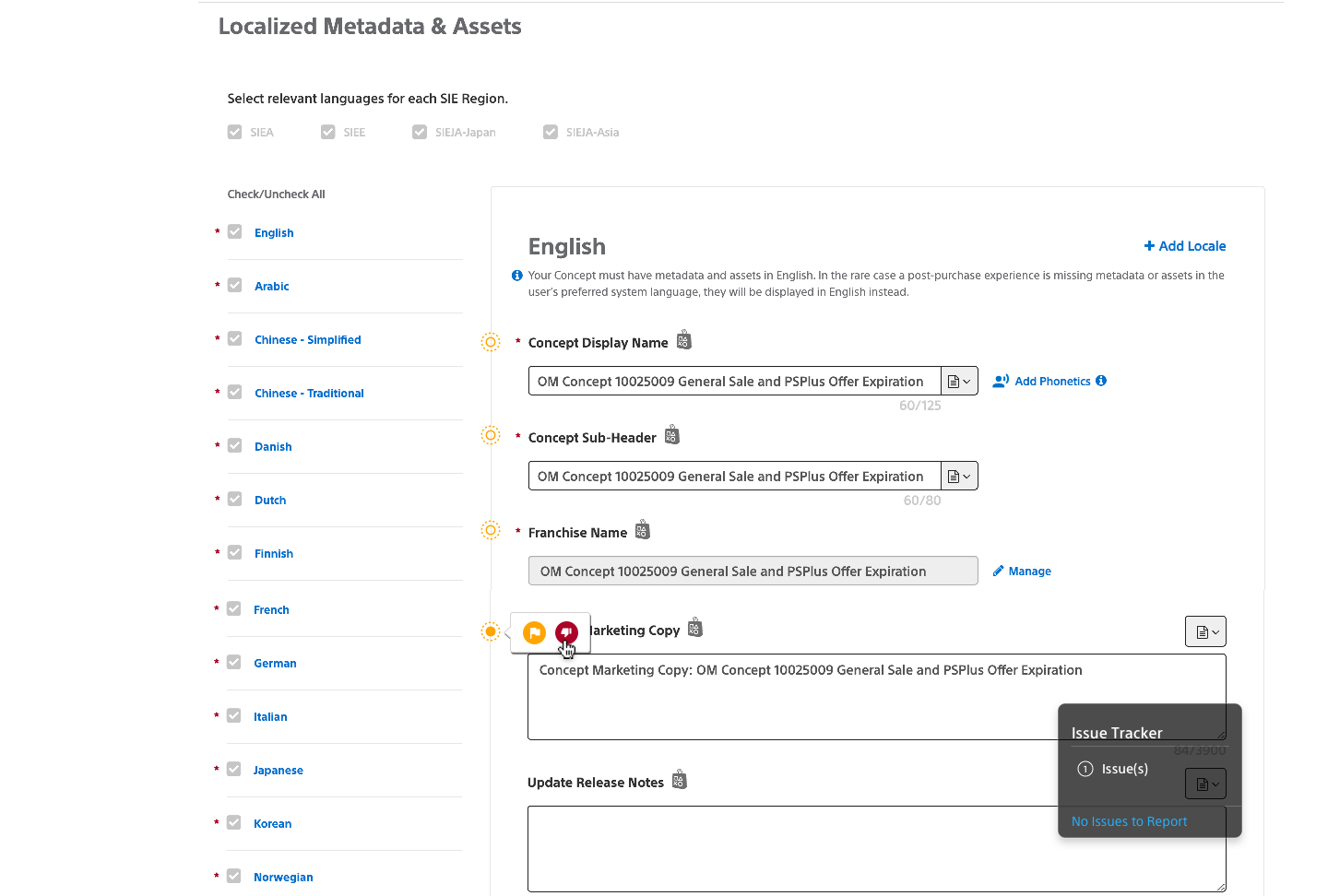
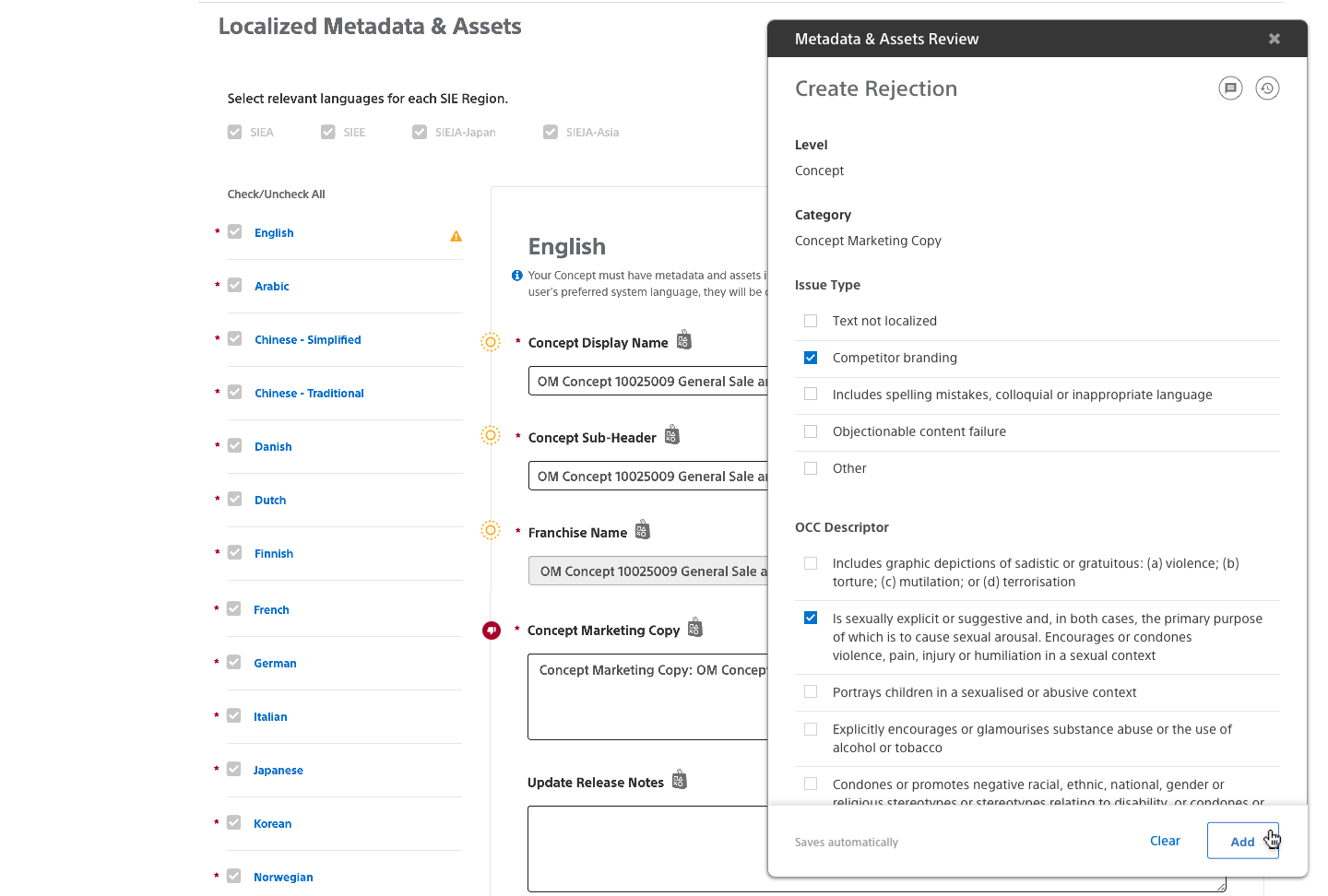
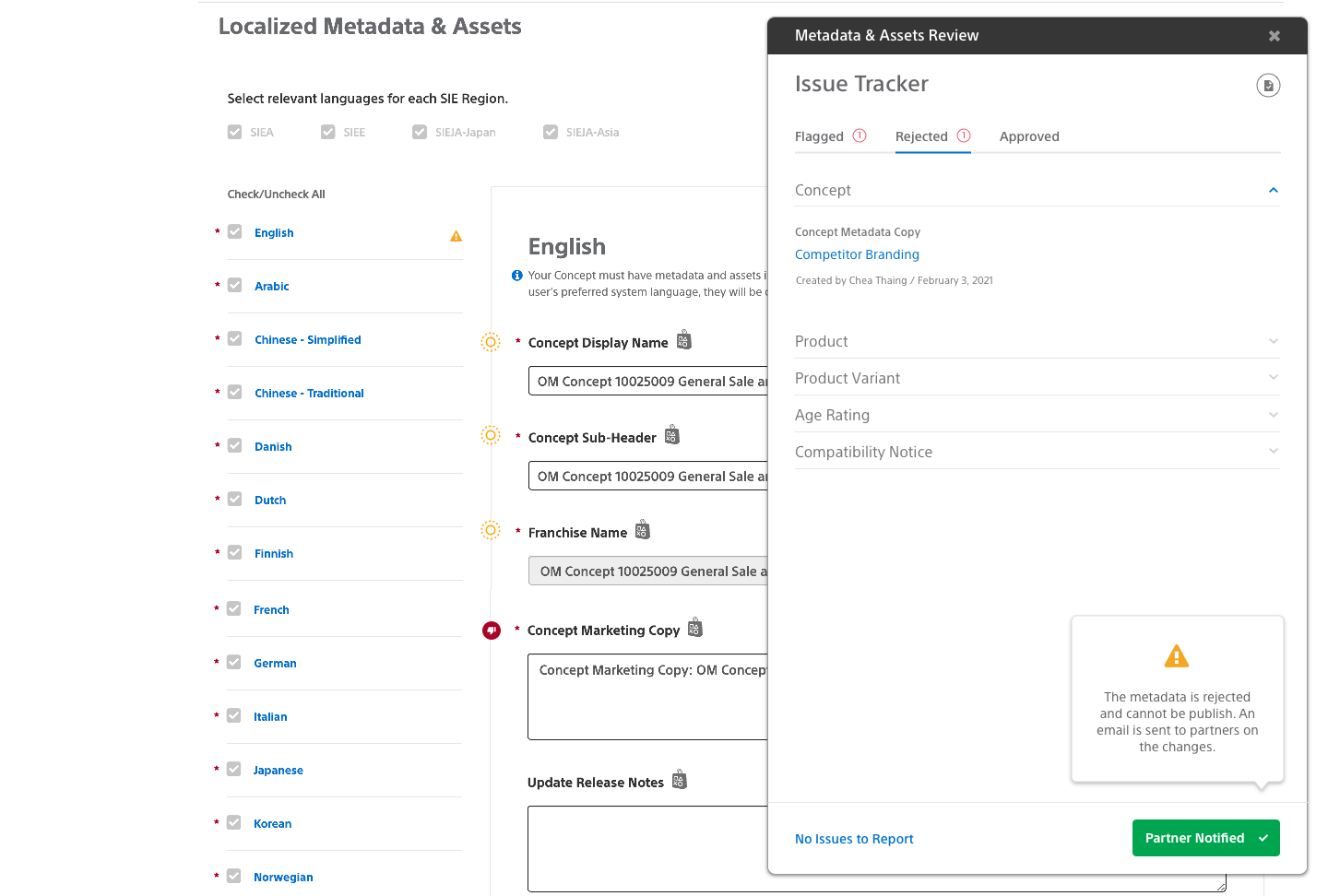
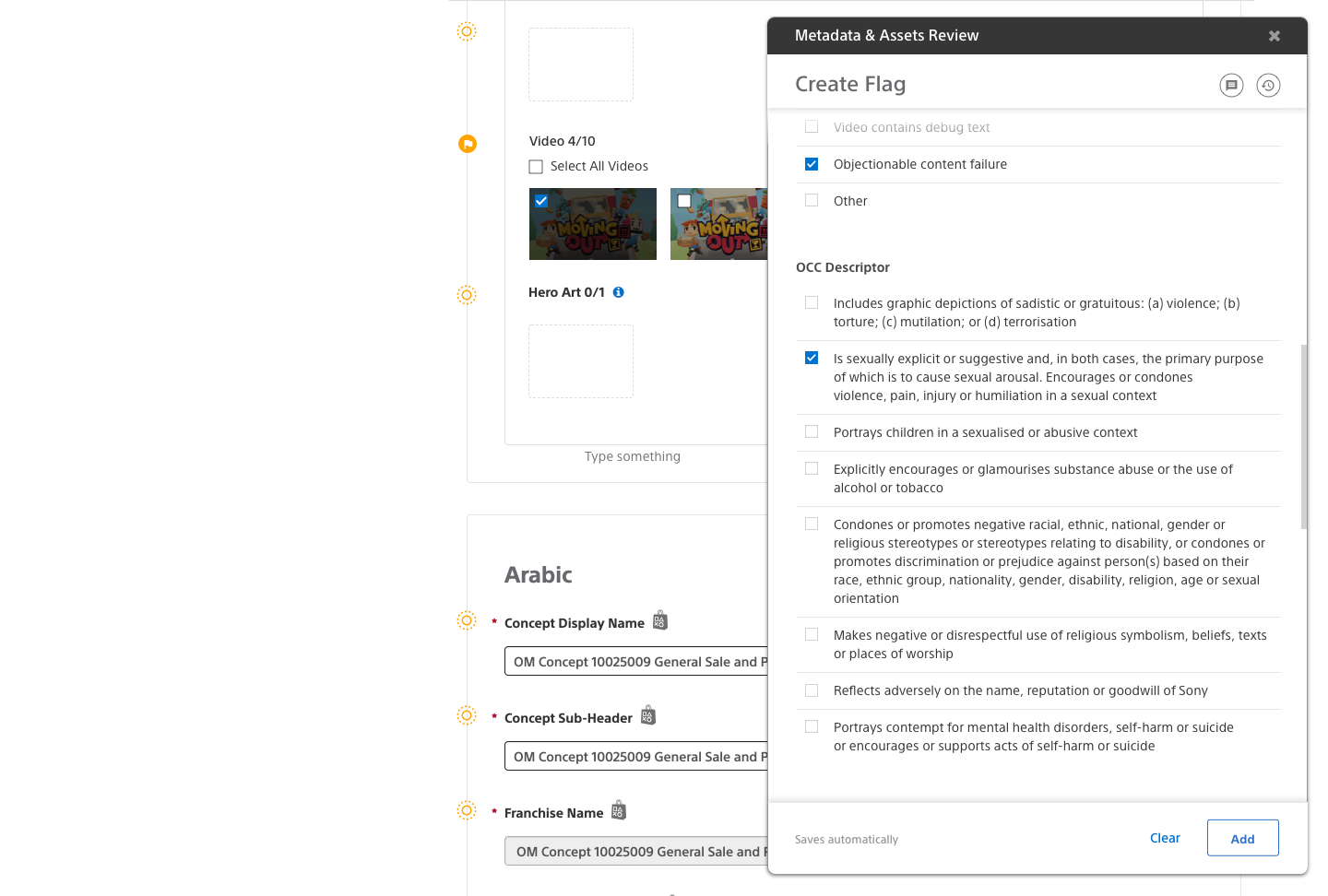
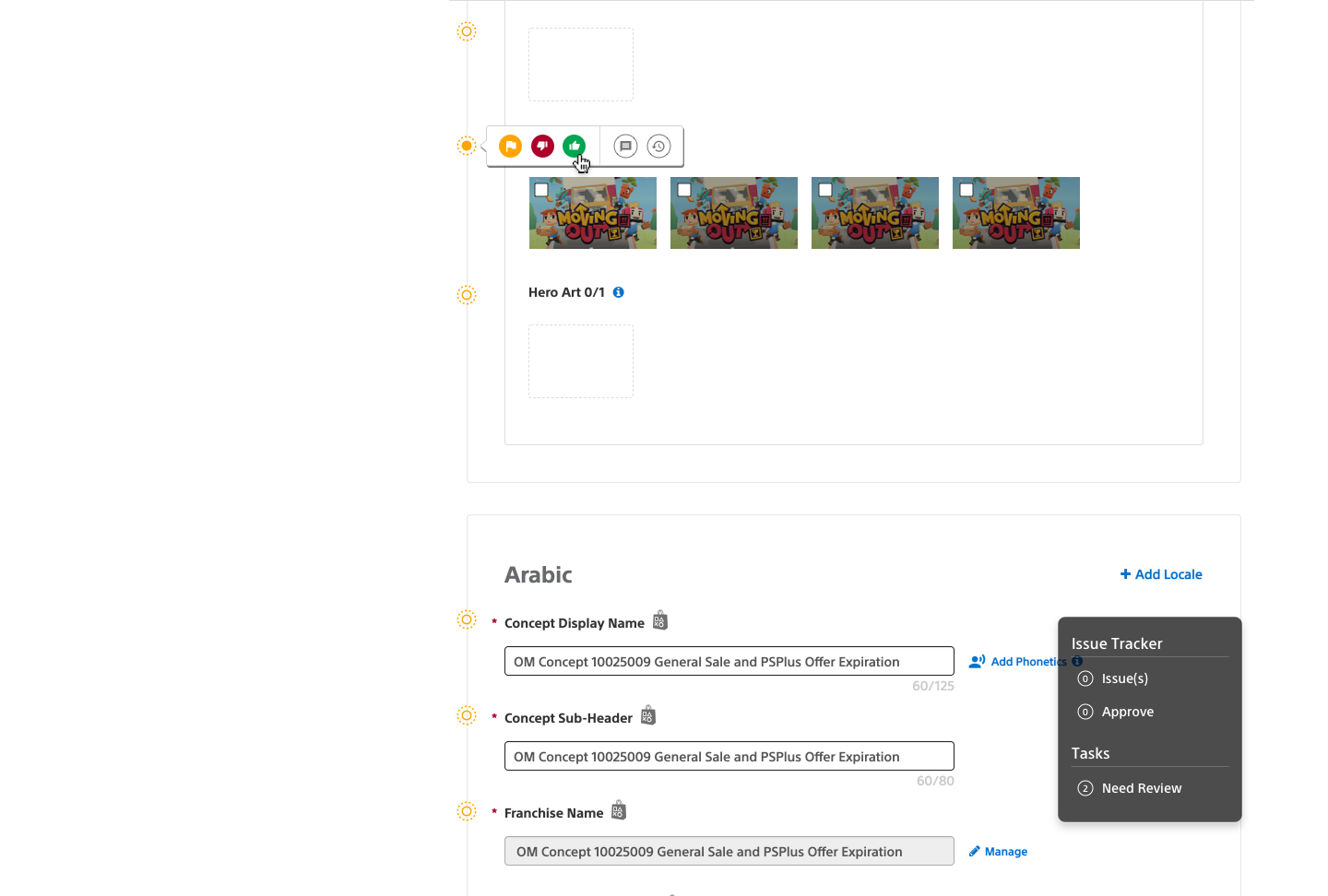
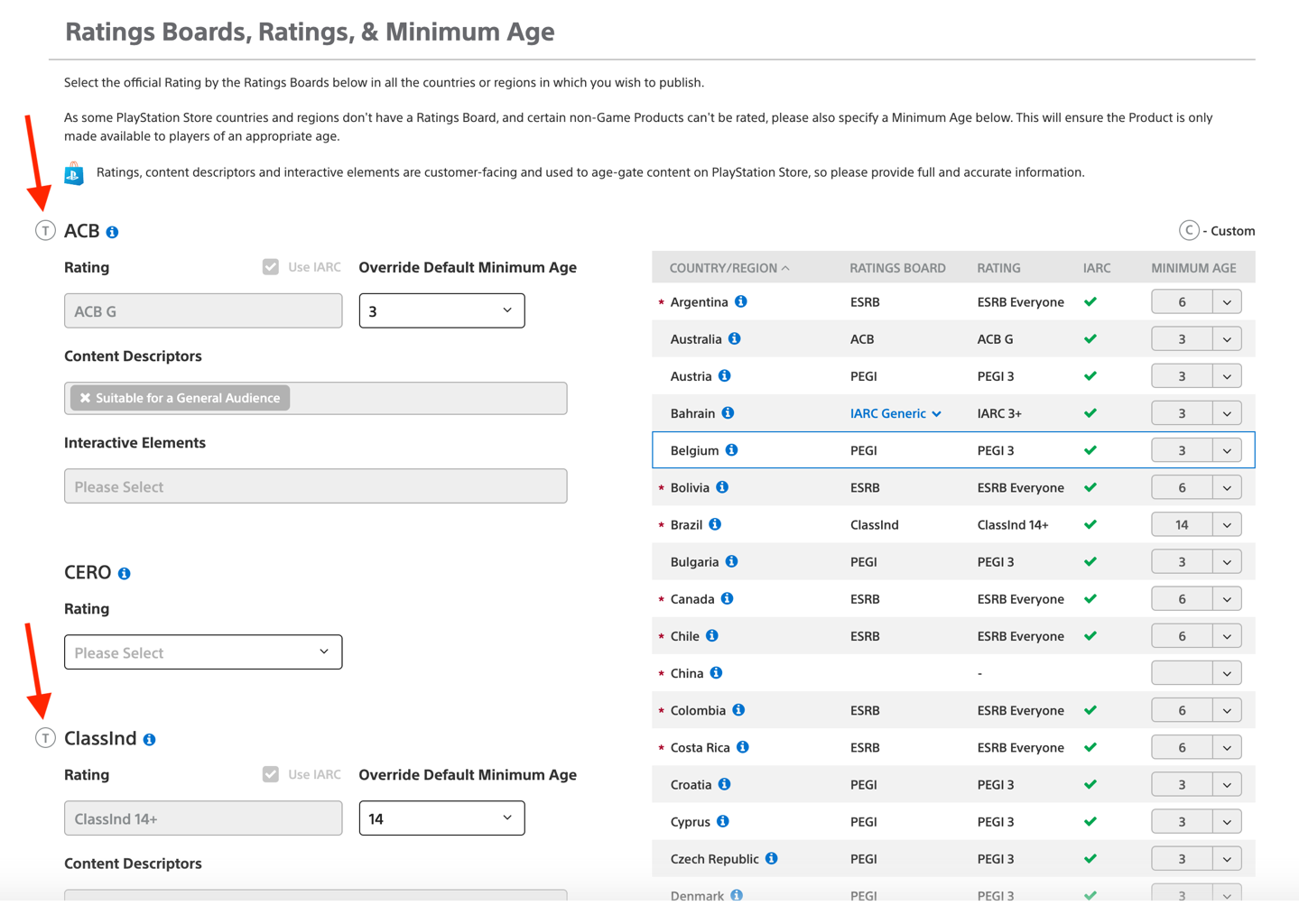
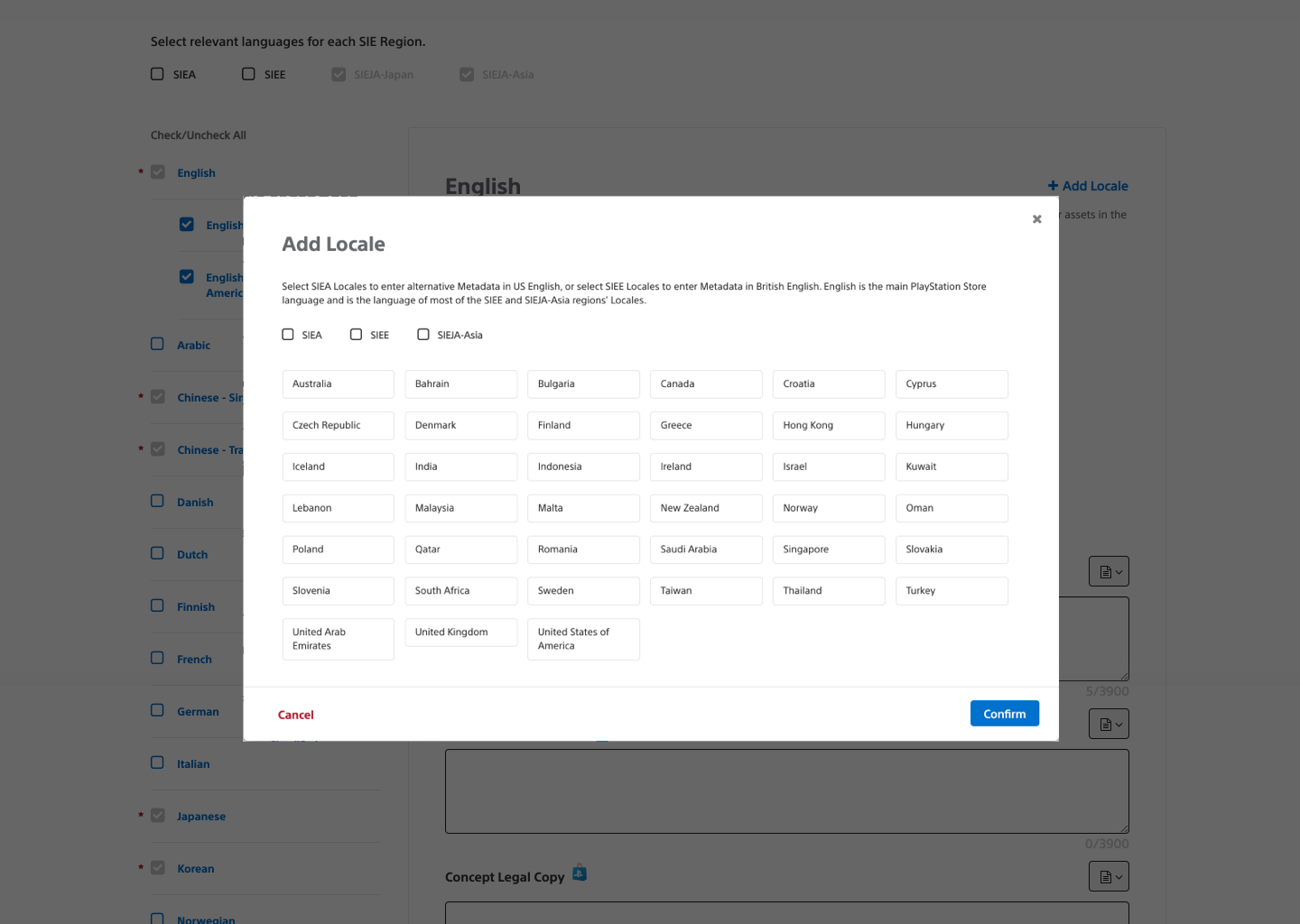
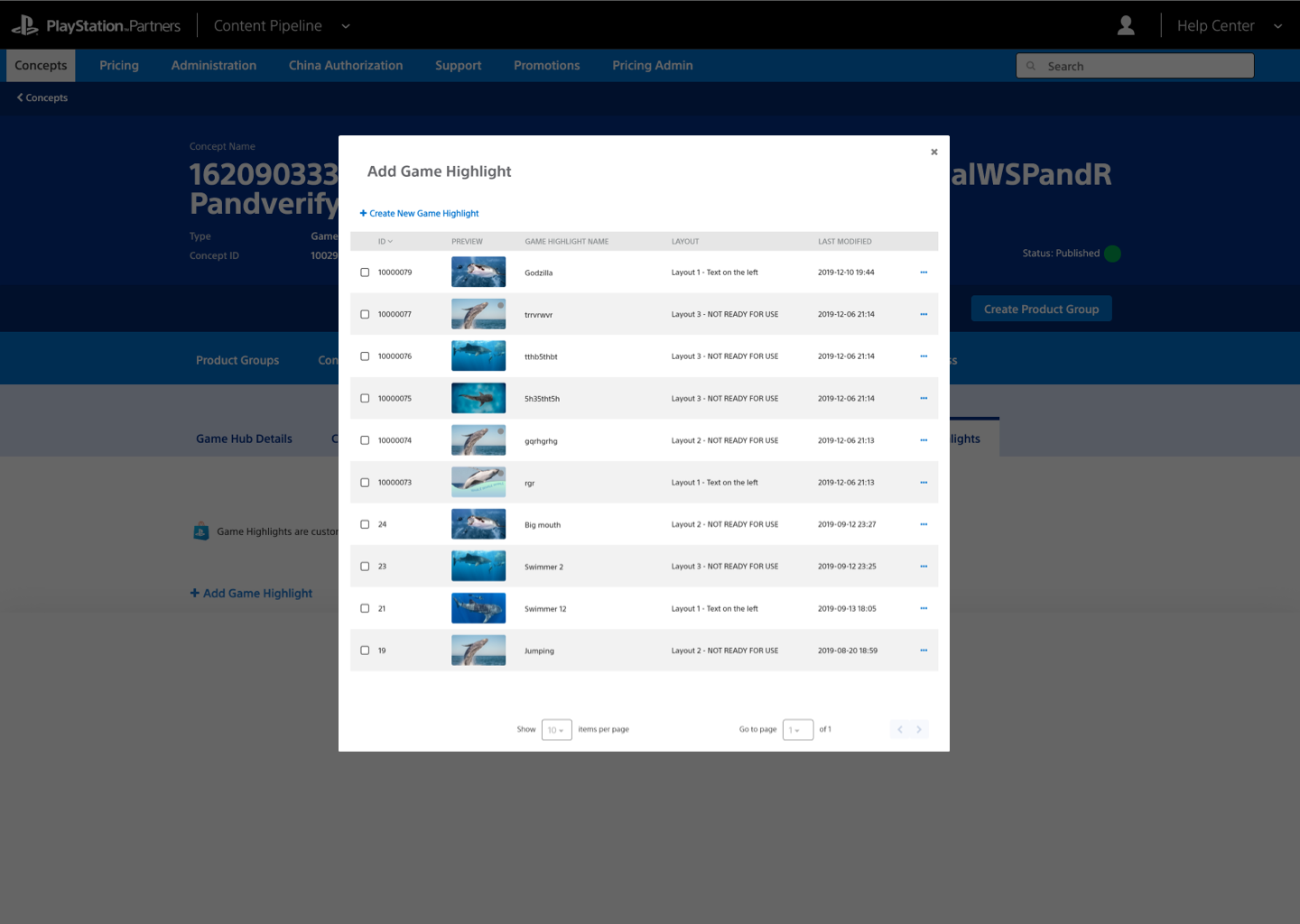
On the product side, I started with a high-impact bet: streamlining the content approval process. That work opened the door. As stakeholders experienced the value of UX firsthand, the engaged group expanded and the team's influence grew. The team also contributed across the broader platform, shipping features that gave publishers and internal PlayStation teams meaningful control over the storefront, including content publishing workflows, global pricing and tax tooling, game voucher management, content auditing, and game features.
Building the case to grow the team
As the design system work built momentum and the content approval win demonstrated UX's value firsthand, I made the case to leadership to expand the team. I grounded the ask in the impact already delivered, the workload the existing five designers were carrying across 20+ applications, and the gap in dedicated research and content support the team had been operating without. I also leveraged press coverage of indie developers complaining about how hard it was to get their games onto the PlayStation platform, which helped make the case. I outlined a detailed chart of the allocation I would need to cover key apps, which helped gain support from my senior director. Leadership approved growing the team from 5 to 20 designers, including a research org and writing support for the first time.
Impact
A high-performing, respected design team
The team transformed into a high-performing, organizationally respected design function with direct input into platform decisions.
Winning stakeholder trust across the platform
That early win became the reference point stakeholders pointed to when bringing design in earlier across other parts of the platform.
Growing the team from 5 to 20
For the first time, the platform had dedicated research and content support built directly into design, not borrowed from other teams.
Org-wide commitment to unified UX standards
Secured org-wide commitment to unified UX standards across 20+ enterprise applications, a multi-team, multi-year governance effort that reached 60% completion by the time I moved to AWS.
Contributing to the PS5 launch
Contributed directly to the PS5 launch. PS5 became the fastest-selling PlayStation console in Sony's history, reaching 10 million units sold within its first 249 days on the market.
The real design challenge wasn't the features. It was building the conditions for great design to happen consistently, at scale, across a deeply complex enterprise ecosystem.

Let’s chat
Happy to connect, whether it’s a coffee chat or collaborating on an interesting design problem.