Context
The PlayStation Product Collab App was on PS5's critical path. It was the internal tool that designers, engineers, product managers, QA analysts, copywriters, and localization specialists across PlayStation depended on to collaborate and ship the console. Sony's strict security policies at the time restricted the use of third party tools like Figma and Sketch for internal collaboration, making a robust internal solution essential.
Challenge & Opportunity
An existing internal tool was in place, but there was real opportunity to make it meaningfully better for the teams depending on it. The challenge was doing that thoughtfully, rethinking how design, copy, and product collaboration were structured, versioned, and handed off across an organization of thousands, without disrupting teams in the middle of active development.
When we joined, the roadmap included a fundamental IA revision planned during one of the most critical phases of PS5 development, roughly a year out from launch. As a team we made the decision to pause that work and return to foundational research first, making sure we were solving the highest-value problems without making one-way-door decisions or introducing unnecessary risk at a sensitive moment in the program.
At one point during development, a bug in a feature release caused data corruption across files, an issue that quickly escalated to senior leadership and triggered daily recovery meetings. What was estimated to cause two months of downstream disruption needed to be resolved fast. I organized the team around a clear response: one team member led root cause analysis and solution development, while we coordinated mitigation paths, communication, and project tracking in parallel. We resolved the issue within two weeks.
Action
I trained the team in observational research methods so we could scale our research quickly within a tight timeframe. The insights we gathered became the foundation for every major roadmap decision that followed.
To shape the roadmap, we established a bi-weekly panel of hands-on stakeholder representatives from across the disciplines using the tool: design, product, engineering, copy, localization, and QA. This group evaluated feature delivery and roadmap priorities together, keeping decisions grounded in real needs across the organization.
I also established a product design process within the internal tool team, one that included quick user research sessions as part of select feature development, and worked closely with senior engineering leadership to shift the team from a milestone-driven model toward a more agile way of working. By demonstrating that we could design, test, and dogfood with real users, and advocating for an allowlist program to bring select internal users in early, we built the organizational confidence to move faster and iterate with more certainty. On occasion I stepped in hands-on, getting ahead of the current workstream on select ideas that were important to strategy and execution.
Key features we shipped:
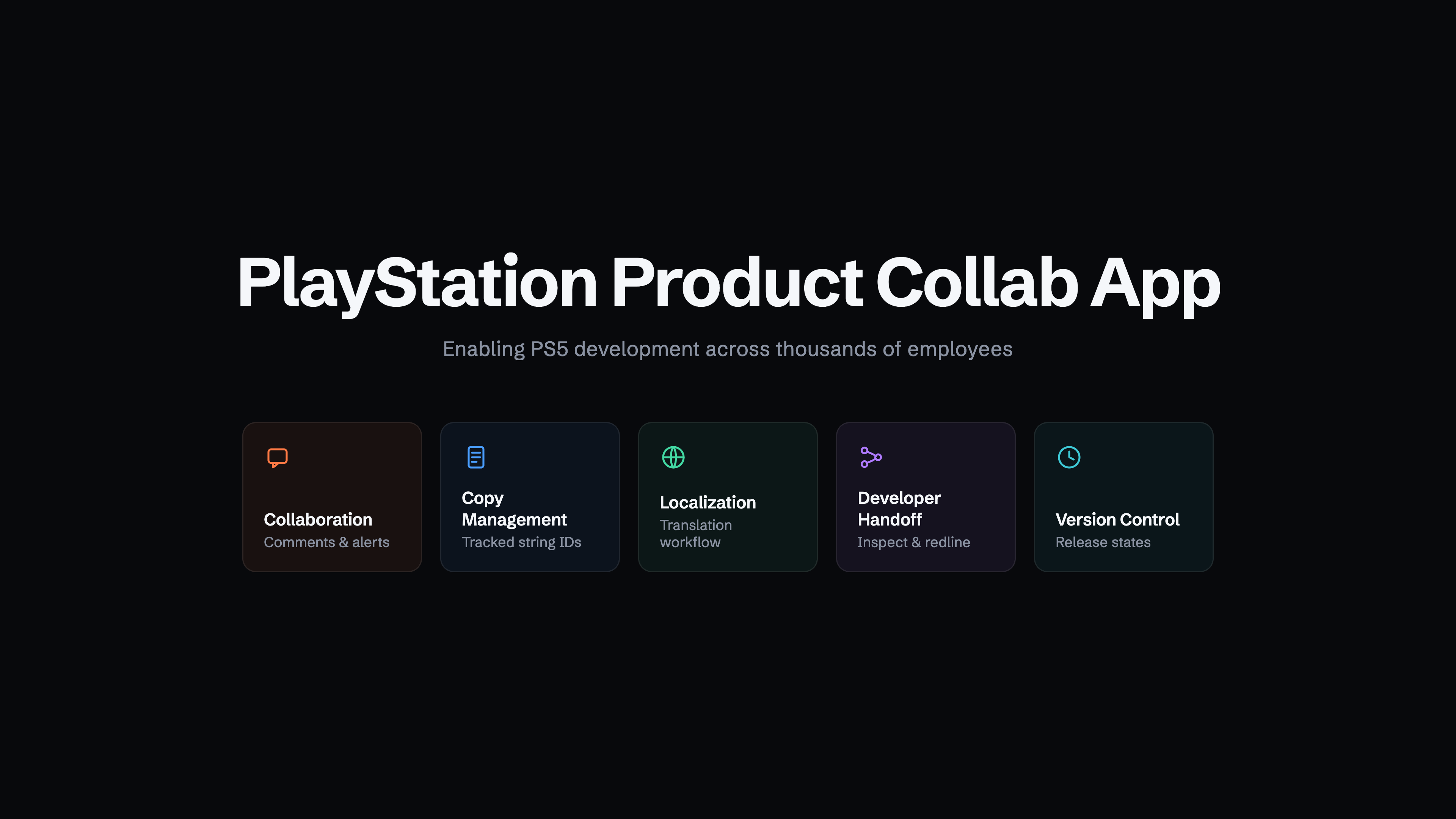
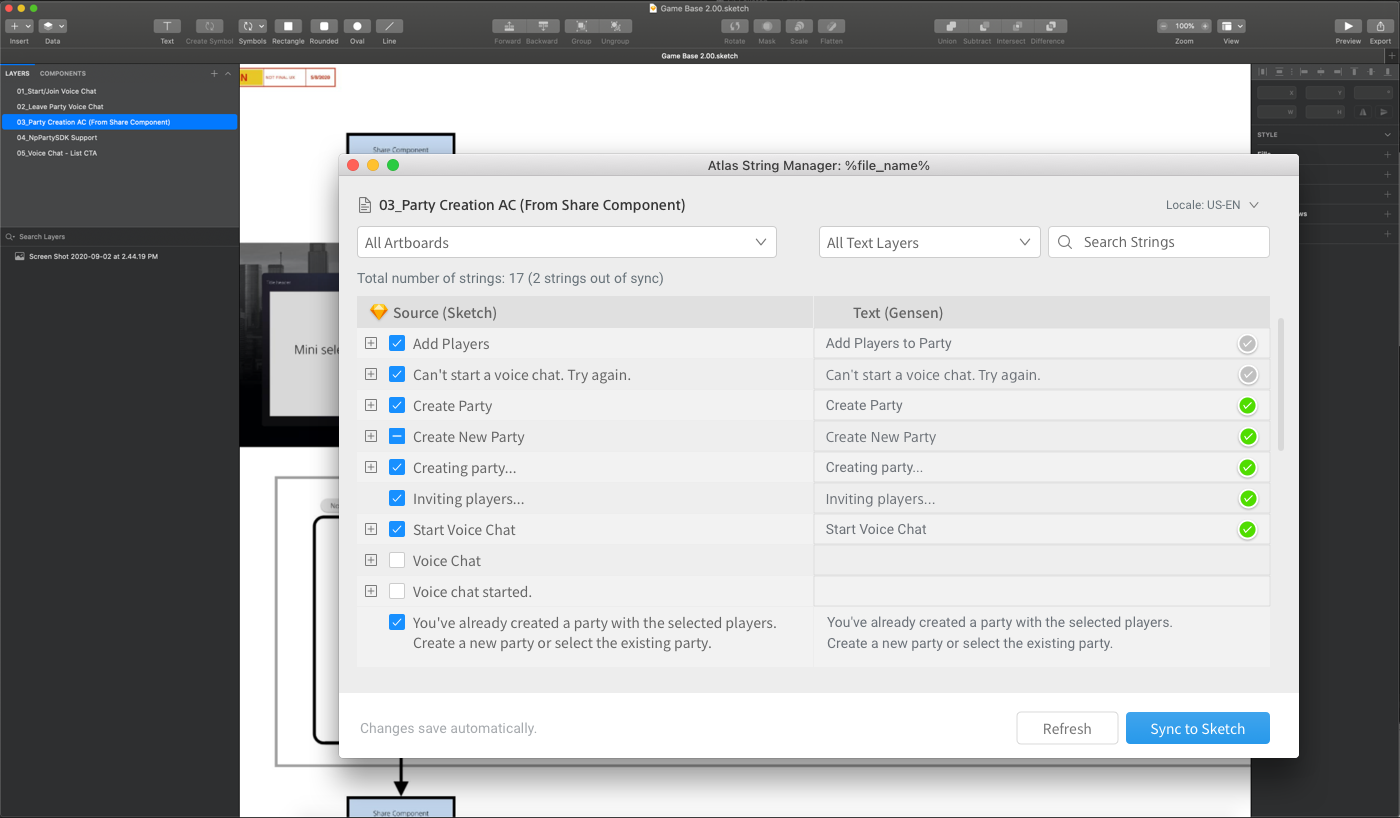
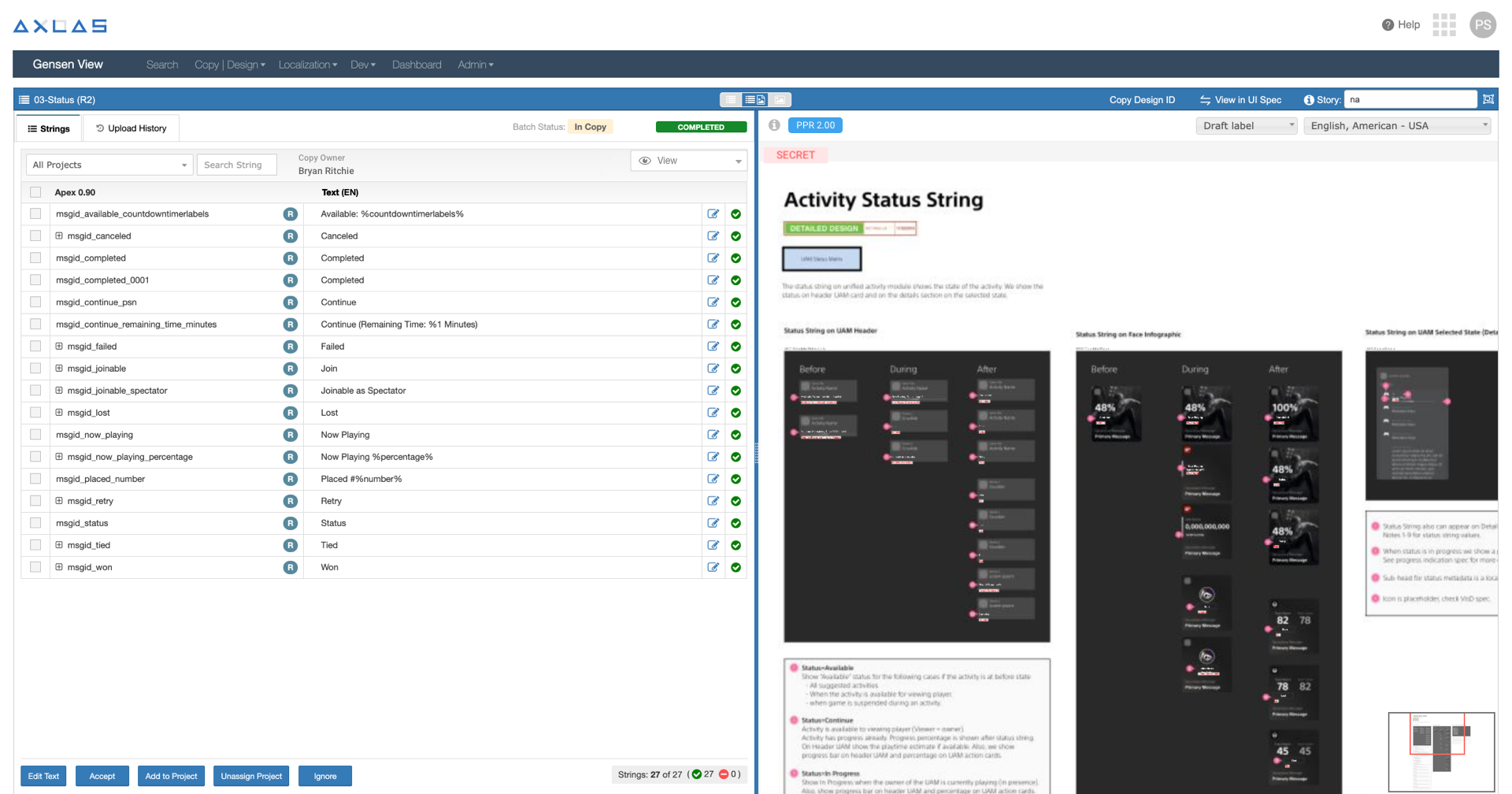
- In-context copy editing with tracked string IDs managed across each design revision and matched against a live database, turning a fragile and error-prone process into a reliable, auditable system
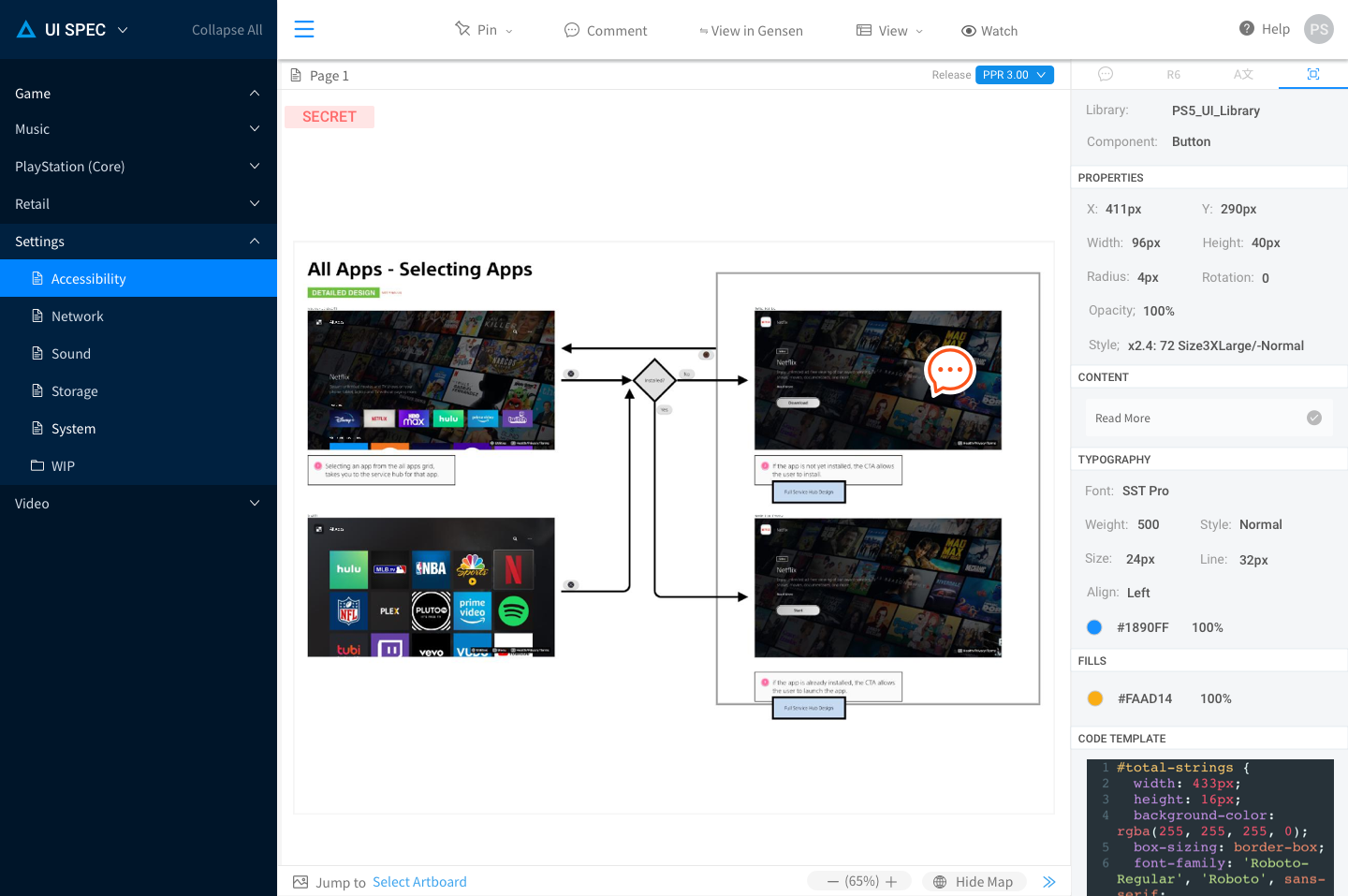
- Inspect mode for developer handoffs
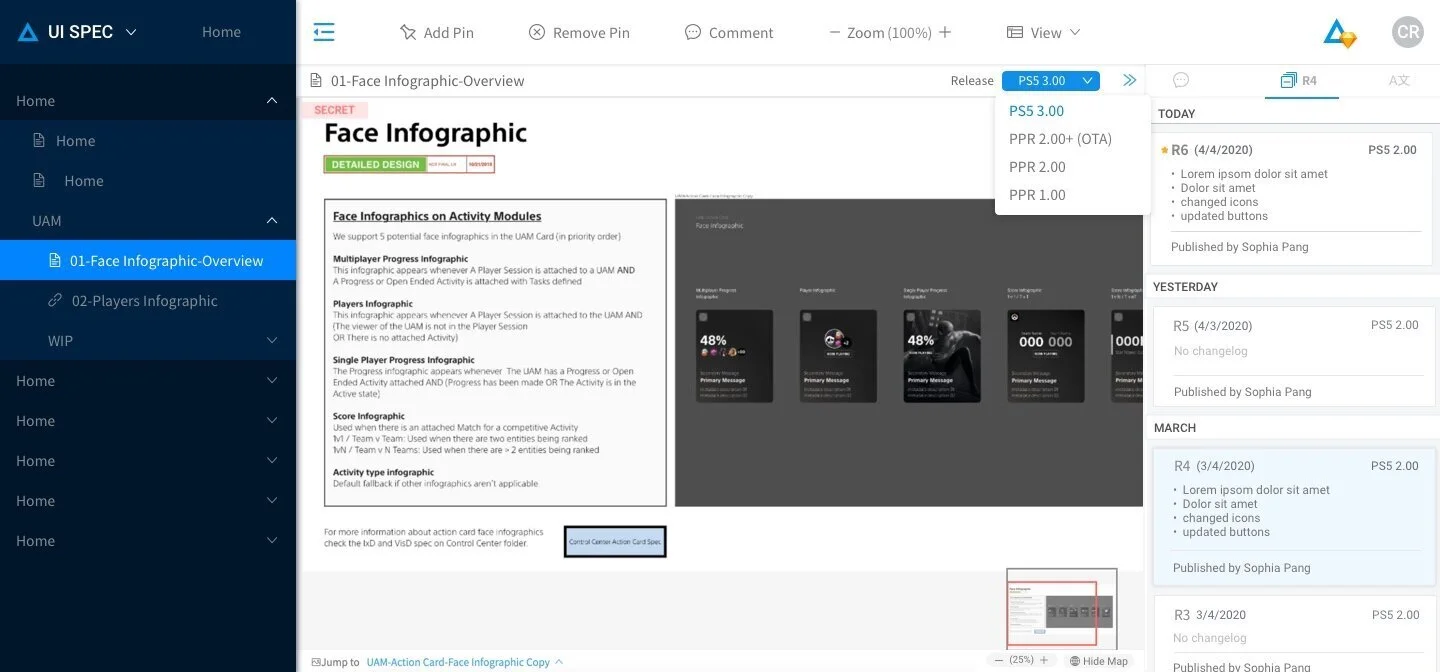
- Easy revision and release navigation across design iterations
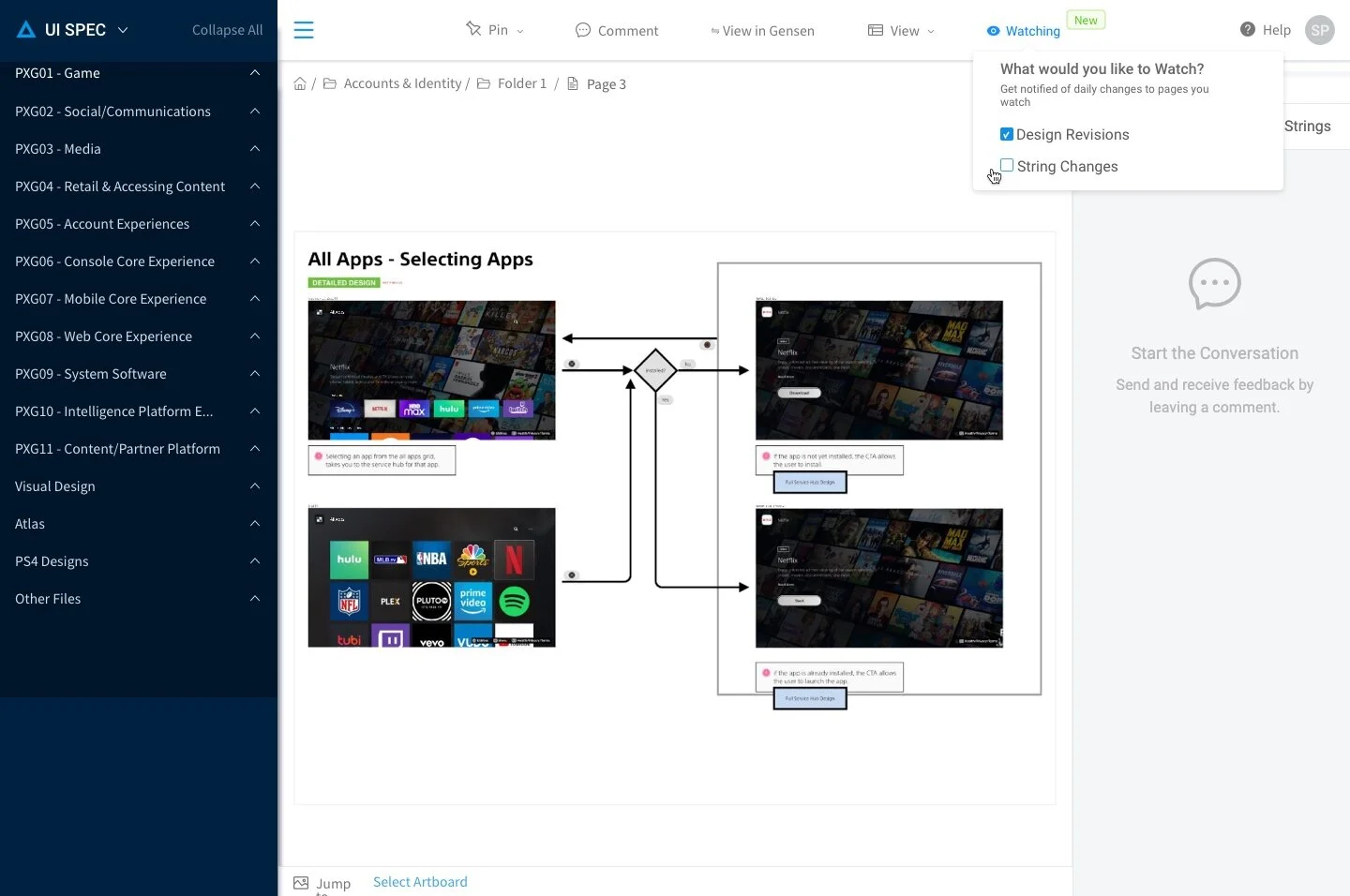
- Watch design and notify on revision change
- Change-log history viewer
- Commenting and collaboration features including tracking of resolved and unresolved comments
- Cost estimator for localization to guide economical handoff decisions
- Copywriter dashboard showing which designs had changed and needed attention
- Sketch plugin for designer string management
- And many more features delivered incrementally across the full PS5 development cycle
The product challenge was genuinely hard. The people and process challenge was harder. Sustaining both across PS5 development — without missing a single milestone — is what I'm most proud of here.

Let’s chat
Happy to connect, whether it’s a coffee chat or collaborating on an interesting design problem.